



The tech hiring landscape has undergone a seismic shift. Artificial intelligence is no longer just a buzzword in job descriptions — it is fundamentally transforming how companies find, evaluate, and hire software engineers. From AI-powered resume screeners to automated technical assessments, the rules of the game have changed dramatically in 2026.
Whether you are a seasoned developer looking for your next role or a fresh graduate entering the market, understanding these changes is not optional — it is essential for your career. Here is everything you need to know about how AI is reshaping tech hiring this year.
AI-Powered Resume Screening Has Gone Beyond Keywords
Gone are the days when stuffing your resume with keywords would get you past the applicant tracking system. In 2026, AI resume screeners have evolved into sophisticated analysis engines that understand context, career trajectories, and skill relevance.
Companies like Google, Amazon, and Microsoft now use AI systems that evaluate your GitHub contributions, analyze the complexity of projects you have worked on, and even assess the quality of your code commits. These systems do not just look for matching keywords — they understand the difference between someone who listed “Python” and someone who has built production-grade Python applications serving millions of users.
What this means for you: Focus on demonstrating impact rather than listing technologies. Quantify your achievements, link to public repositories, and ensure your online presence tells a coherent story about your capabilities. A well-maintained GitHub profile with meaningful contributions now carries more weight than a perfectly formatted resume.
Automated Technical Assessments Are Getting Smarter
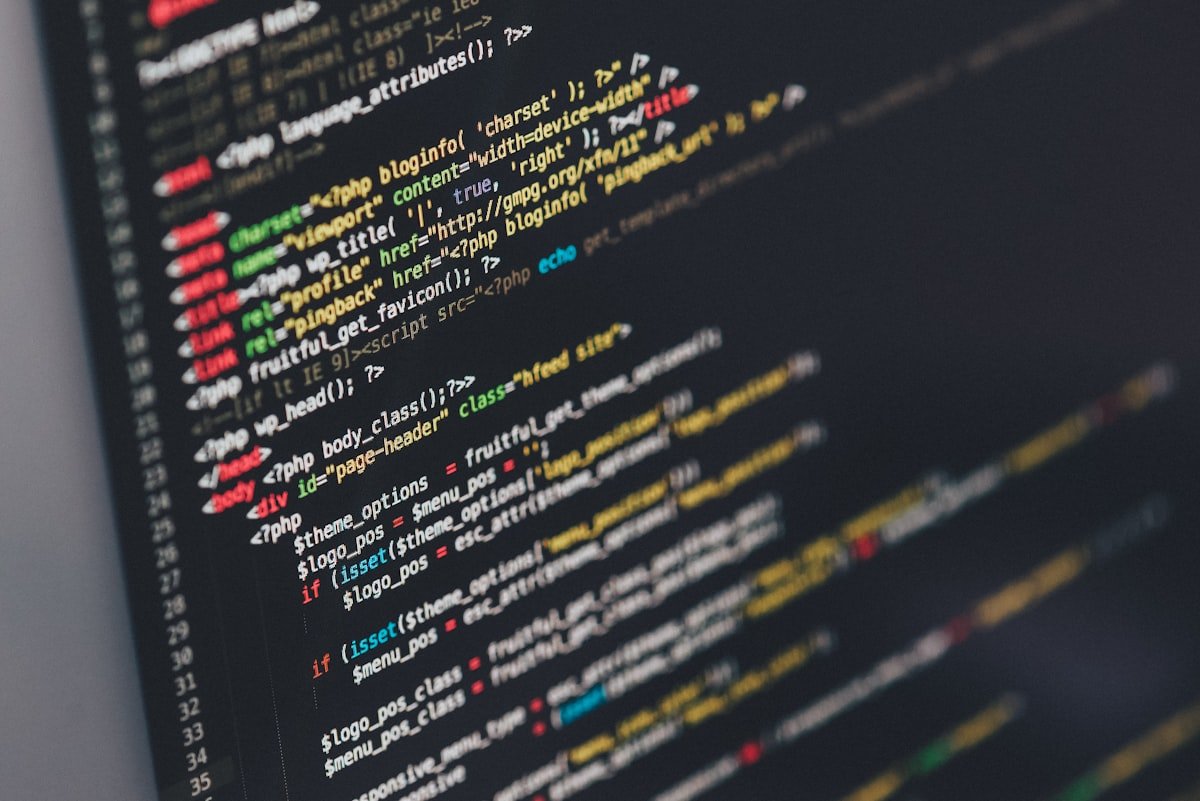
The traditional HackerRank-style coding assessment is evolving rapidly. AI-powered platforms now generate unique problem sets for each candidate, making it virtually impossible to find solutions online. These platforms can detect when candidates use AI coding assistants during assessments and adjust their evaluation criteria accordingly.
More importantly, these assessments are moving beyond algorithmic puzzles. Modern AI-driven platforms evaluate how you approach problems, how you structure your code, and how you handle edge cases — not just whether you arrive at the correct answer. Code style, readability, and testing habits are all factored into the final score.
Some platforms now simulate real-world engineering scenarios: debugging production code, reviewing pull requests, and designing systems under constraints. The goal is to assess how you would actually perform on the job, not how well you can memorize algorithm templates.
The Rise of AI Interview Copilots
Perhaps the most controversial change in 2026 is the introduction of AI interview copilots. These systems sit alongside human interviewers during technical interviews, providing real-time analysis of candidate responses.
AI copilots can evaluate the correctness of your code in real time, assess the efficiency of your algorithms, and flag potential issues in your system design proposals. They also help reduce unconscious bias by standardizing evaluation criteria across all candidates and ensuring that every interviewer applies the same rubric consistently.

For candidates, this means that every word matters. AI copilots track your communication patterns, problem-solving approach, and how you handle ambiguity. They can even analyze your engagement level during behavioral interviews, noting how clearly you articulate trade-offs and how well you respond to follow-up questions.
AI Skills Are Now a Hiring Requirement
In 2026, knowing how to work with AI tools is no longer a nice-to-have — it is a baseline expectation. Companies expect developers to be proficient in prompt engineering, AI-assisted development workflows, and understanding the capabilities and limitations of large language models.
Job postings increasingly list skills like “experience with AI coding assistants,” “ability to integrate LLMs into applications,” and “understanding of responsible AI practices.” Even roles that are not specifically AI-focused now require familiarity with how AI tools can enhance productivity and accelerate delivery.
This shift reflects a broader truth: the most productive developers in 2026 are those who know how to leverage AI as a force multiplier while maintaining strong fundamental engineering skills. The combination of deep technical knowledge and AI fluency is what separates good engineers from great ones.
How Companies Are Using AI to Reduce Time-to-Hire
Beyond candidate evaluation, AI is streamlining the entire hiring pipeline. Intelligent scheduling systems coordinate interviews across time zones without human intervention. AI-powered sourcing tools proactively identify candidates who match specific role requirements, even before those candidates actively start looking for new positions.
Some companies have reduced their time-to-hire by 40 to 60 percent through AI automation of administrative tasks. This means qualified candidates receive offers faster, which is a significant advantage in a competitive talent market where top engineers often have multiple offers on the table.
However, this speed comes with responsibility. Companies must ensure their AI hiring tools do not perpetuate existing biases or create new ones. Fairness audits and human oversight remain critical components of any AI-driven hiring process.
What This Means for Your Job Search Strategy
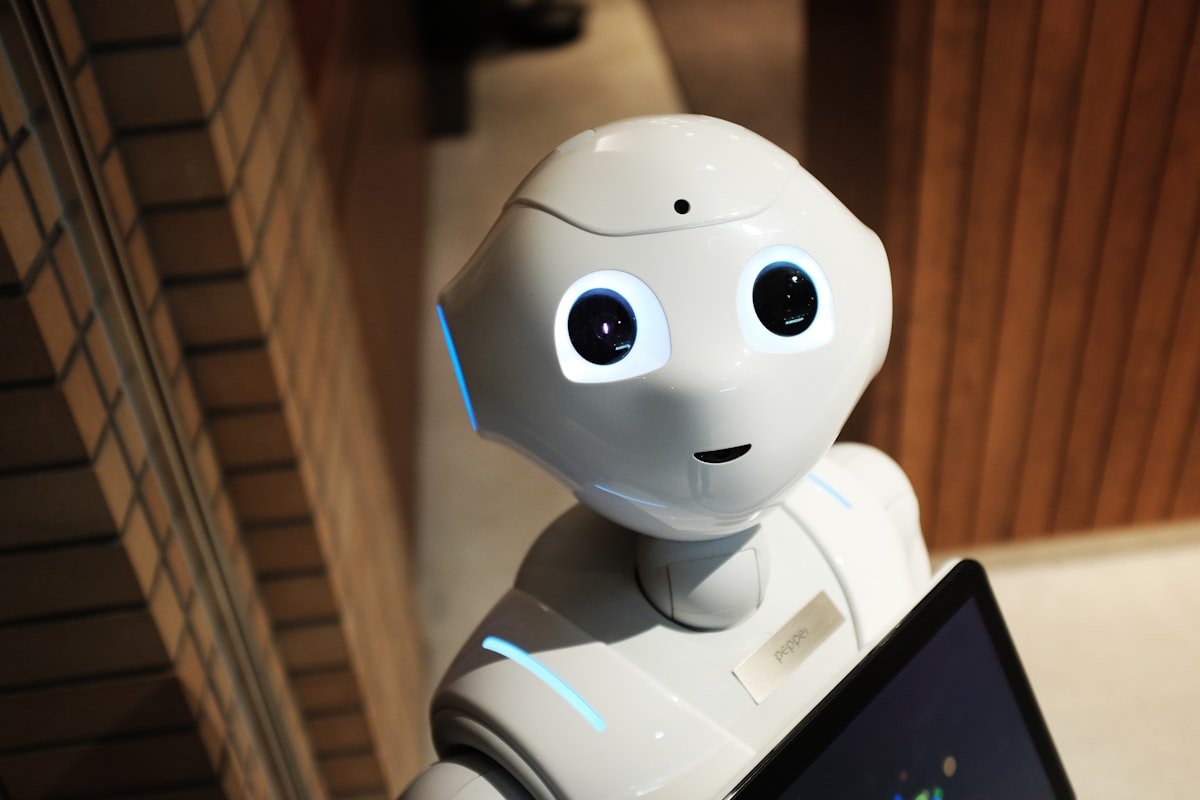
Adapting to AI-driven hiring requires a multi-pronged approach. Here is what smart developers are doing differently in 2026.
Build a strong digital footprint. AI hiring tools aggregate data from multiple sources — your GitHub, LinkedIn, Stack Overflow, blog posts, and open-source contributions all feed into your candidate profile. Make sure each platform tells a consistent, compelling story about your skills and experience.
Practice with AI-aware platforms. Traditional interview prep is still valuable, but supplement it with platforms that simulate AI-proctored assessments. Get comfortable being evaluated by both humans and machines simultaneously, and understand what signals these systems look for.
Develop AI collaboration skills. Show that you can effectively use AI tools to enhance your productivity without becoming dependent on them. The best candidates demonstrate that they understand when to use AI and when to rely on their own expertise — and they can articulate why.
Focus on what AI cannot easily evaluate. Creativity, cross-functional collaboration, mentorship ability, and architectural thinking remain distinctly human strengths. Make sure these qualities shine through in your interviews and in your career narrative.
The Future of Tech Hiring
Looking ahead, the integration of AI in hiring will only deepen. We are already seeing experiments with VR-based technical interviews, AI-generated onboarding experiences, and predictive analytics that match candidates to roles based on career trajectory modeling.
But the core truth remains unchanged: companies want talented engineers who can solve real problems and deliver value. AI is simply changing how they find and evaluate those engineers. The developers who thrive in this new landscape will be those who embrace AI as a tool while continuing to strengthen the fundamental skills that no algorithm can replace.
The hiring game has changed. Make sure you are playing by the new rules — and using them to your advantage.